Books
 New!
Read More
New!
Read More
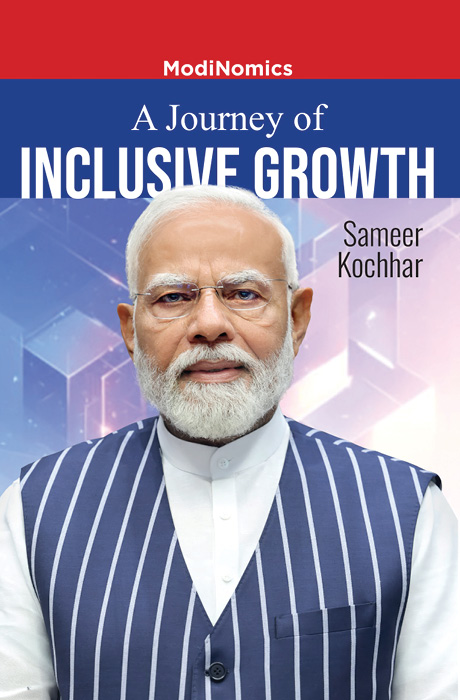
Marking 25 years of Prime Minister Narendra Modi in public offce, ModiNomics — A Journey of Inclusive Growth offers a definitive account of his governance and economic philosophy. From Jan Dhan to Ujjwala, Swachh Bharat to Digital India, it explores how millions were brought into the mainstream of development with speed and scale.
 Read More
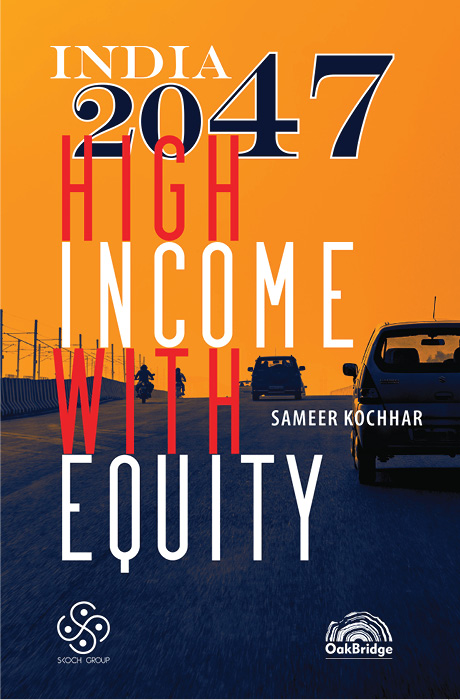
Pre-COVID, India had set a target to become a $10 trillion economy by 2030 the action plan for which was outlined in my earlier volume, “India 2030”, released in December 2018. This emphasised the need for quality growth that is job-generative, spatially dispersed, and equitable.
 Read More
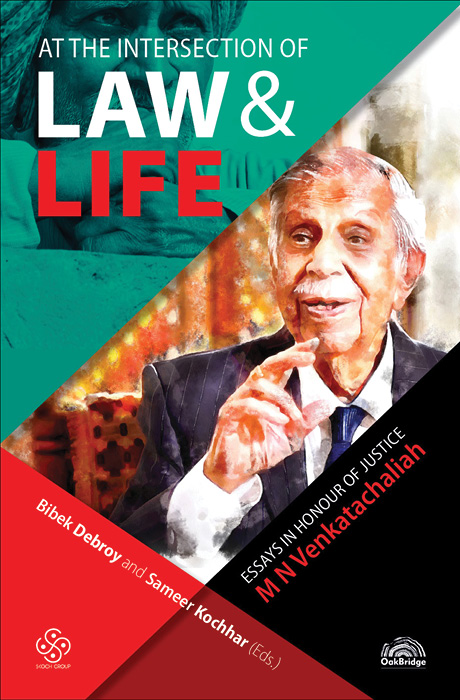
A rich collection of essays by eminent personalities on Justice MN Venkatachaliah, the Judge, and the individual. Justice Manepali Narayanarao Venkatachaliah’s diverse roles as a Judge in various courts, Chief Justice of India, Chairman of the National Human Rights Commission, Chairman of the Commission to Review the Working of the Constitution, and other positions are covered in the book. Right from his days at the highest judiciary to his simple superannuated yet emeritus status, Justice Venkatachaliah preached reforms for efficiency.
 Read More
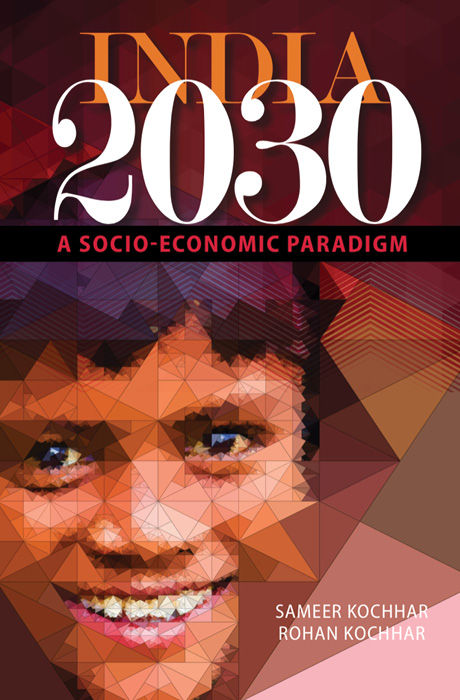
“India 2030: A Socio-Economic Paradigm” is a collection of essays that examines the various dimensions of India’s socio-economic landscape as it approaches 2030. The essays feature contributions from a diverse array of thought leaders, experts, and practitioners who explore critical topics such as economic growth, social equity, technology integration, and sustainable development.
 Read More
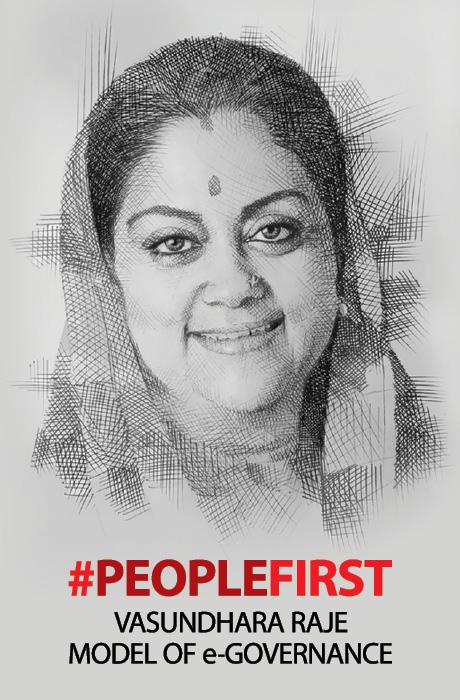
Vasundhara Raje, who has been the Chief Minister of Rajasthan in two tenures (2003-2008 and since 2014-) has transformed the state by shedding its BIMARU tag and taking it on the road of economic progress and growth. But what is unique about Rajasthan when compared to other states, which have made a similar journey, is that she has made Information Technology and digitalization as the bedrock of this transformation.
 Read More
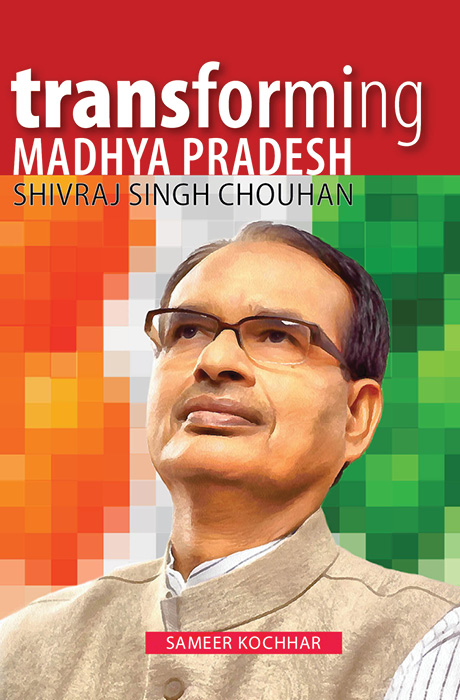
Three-time Chief Minister, Shivraj Singh Chouhan has transformed Madhya Pradesh from a BIMARU state to one that is at the forefront of development and economic and social growth in the country. The book enumerates the successes of the State while highlighting the ‘how’ of it so that others can learn and emulate. In particular, it focuses on how good governance and inclusive growth have helped reduce poverty in the State.
 Read More
“No power on earth can stop an idea whose time has come.” India began the quest for a free and open economy in 1991 while remembering the powerful quote of Victor Hugo, a series of brave measures of liberalisation and promise of reforms with human face. It was the historic moment India ended forty-four years of closed, government-planned economic experimentation with a humbling recognition that none of the old socialist shibboleths mattered to truly modernise the economy to shed the inferiority complex.
 Read More
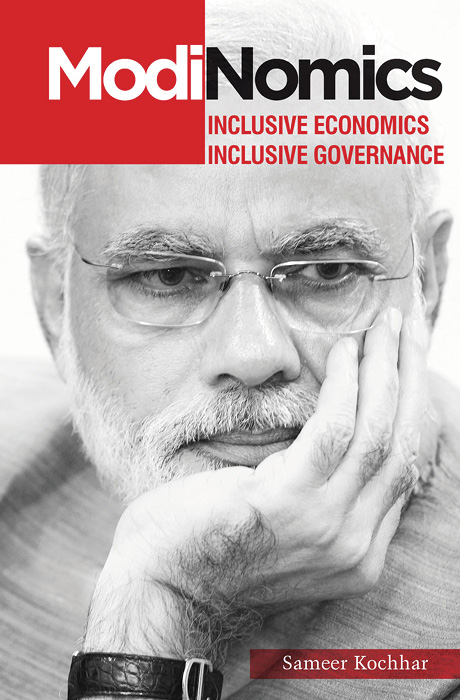
The last decade of Gujarat and the rise of Narendra Modi first as the Chief Minister and then as a national leader being the Prime Ministerial candidate of the Bharatiya Janata Party (BJP) has catapulted the Gujarat model and Narendra Modi into the national and international limelight. In the interim, especially in the last few years, there has been much literature on Gujarat and Narendra Modi. However, much of it is presented from a personality or political perspective.
 Read More
It examines why so many years after Independence, India still has a large number of poor and points towards vote-bank politics as a key culprit in choosing poor policy options that could never deliver optimally.
 Read More
Nandan Nilekani earned his place as an iconic entrepreneur in India in the 1980s, having co-founded Infosys Limited in 1981. In the post-economic liberalisation era, he cemented his reputation as a pioneer in the corporate and information technology world, just as he helped launch Infosys into the big league of world’s IT-enabled services companies. He served as the company’s Chief Executive Officer from 2001 to 2007.
 Read More
Digital India, according to Prime Minister Narendra Modi, “is an enterprise for the transformation of India in a way unmatched in human history.” In it, he sees technology as a means to empower and as a tool that bridges the distance between hope and opportunity.
 Read More
The revolution in India’s capitalism began in the 19th century Bombay under a banyan tree, considered a venerable symbol of timeless wisdom, fortitude and endurance. It all started when a group of stockbrokers started trading under shades of the banyan tree. On 9 July 1875, they formed The Native Share and Stock Brokers’ Association, which evolved into the Bombay Stock Exchange or BSE, as we know it today. The exchange went through changes in myriad ways that added new chapters to its 140 years of being a beacon of India’s capital markets. The Banyan tree would, most likely, be entirely happy with today’s BSE—if, indeed, it recognised it at all.
 Read More
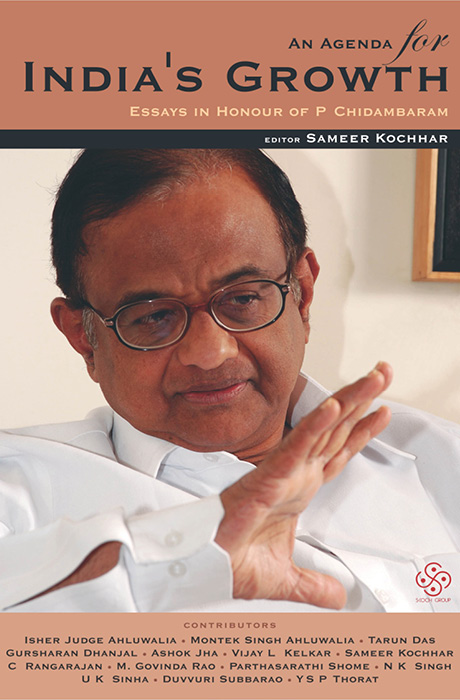
Since 1991, P. Chidambaram has been deeply involved with the economic reforms that have changed India for the better. He firmly believes that economic freedom is linked not just to higher growth, more jobs and larger incomes, but has undeniable connections to political freedom, empowerment, transparency and good governance. This book is as much a tribute to Chidambaram’s eloquent advocacy of economic freedom-and the courage he displayed in implementing it-as about setting the agenda for country’s next wave of reforms.
 Read More
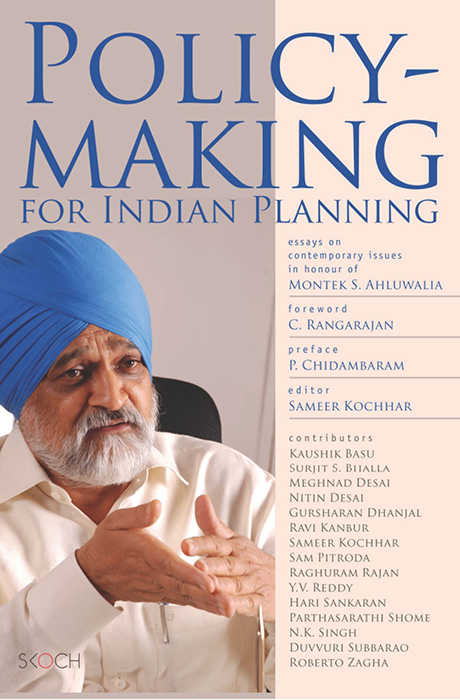
A key figure in India’s economic reforms from the early 1980s onwards, ..Montek Singh Ahluwalia’s fingerprints can be found in policies from economics to education reform, and he has been a driving force in the liberalisation programme of the past 20 years or more. The Oxford-educated economist spent 11 years with the World Bank in Washington before returning to India in 1979 to work as an economic adviser to the government.
 Read More
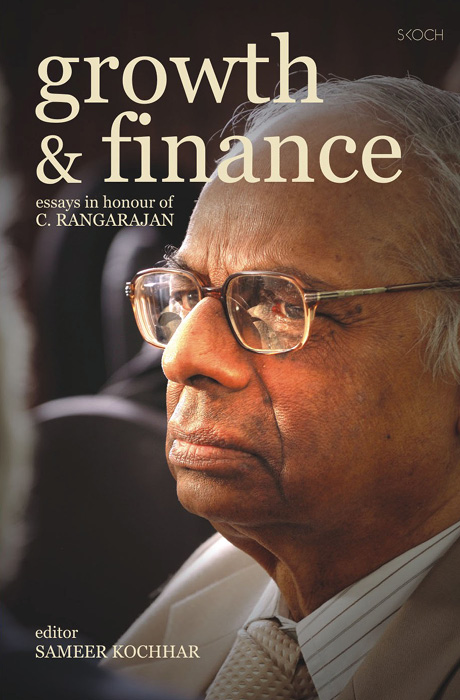
In this timely book—a festschrift for Dr. C. Rangarajan—top experts, policymakers and economists offer their assessments of India’s performance in the area of economic and financial reforms and analyse the successes and continued challenges. It provides an insight into critical macroeconomic and macro-finance issues of today. The book covers a broad set of topics, including fiscal, monetary and external sector policies, drivers of banking and financial growth, infrastructure and financial inclusion.
 Read More
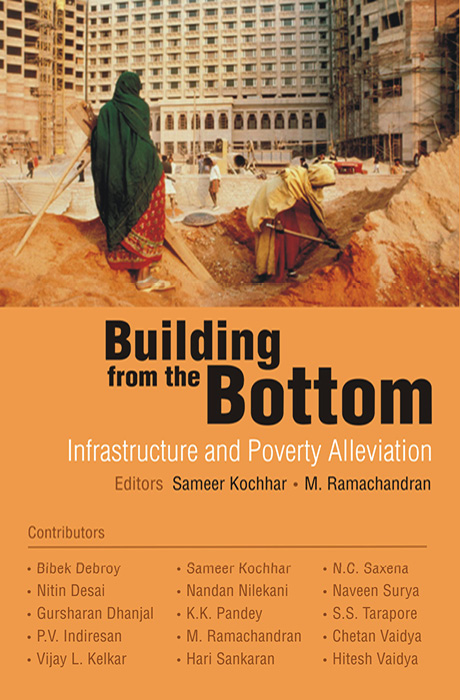
Putting the right infrastructure is critical to India’s plans for inclusive growth. Increasingly, responsibilities for infrastructure development will be decentralised to the local governments, whether rural or urban. There is now an increasingly urgent need for large-scale environmental improvement programmes and for strengthening governance and the capacity of local institutions to plan, implement, and finance infrastructure provision and service delivery.
 Read More
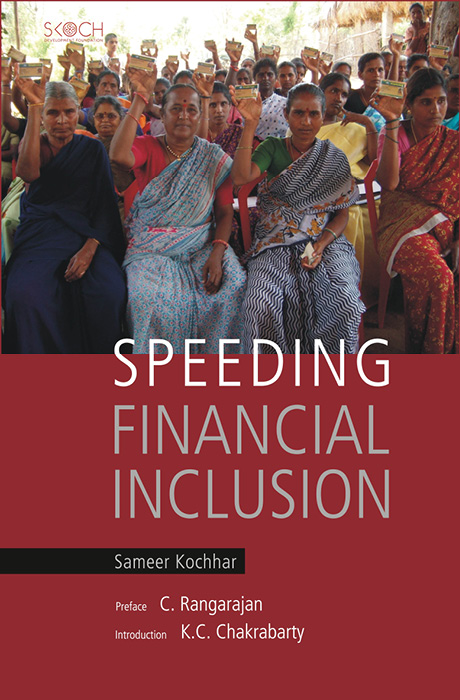
Scaling-up access to finance for India’s rural poor presents a formidable developmental challenge in a country as vast and varied as India. It was in this context that Skoch Development Foundation undertook the first-ever nationwide multi-stakeholder study entitled "National Study on Speeding Financial Inclusion". This study sought to collate primary research based on our grassroots experiences from several project sites and field visits; and, views from all stakeholders so as to arrive at key interventions and intermediations to speed up the process of financial inclusion, and thereby poverty alleviation. Apart from providing key recommendations in the form of a roadmap to speed up the process of financial inclusion, the study also sought to determine the viability and cost-effectiveness of the Business Correspondent (BC) model and has identified several options to make the model viable.
 Read More
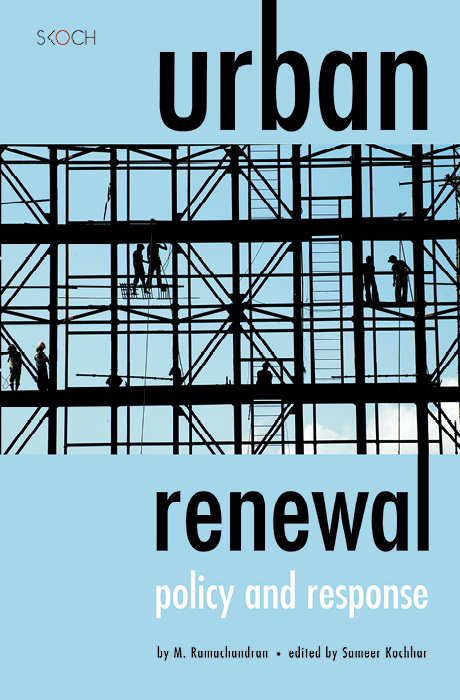
The Indian Government took the historic step of launching the Jawaharlal Nehru National Urban Renewal Mission (JNNURM) in December 2005 with a view to give fillip to urban infrastructure development in 65 major cities by mobilising Rs.50,000 crore from the Central budget and by getting a matching Rs.50,000 crore from the State governments and the Urban Local Bodies (ULBs).
 Read More
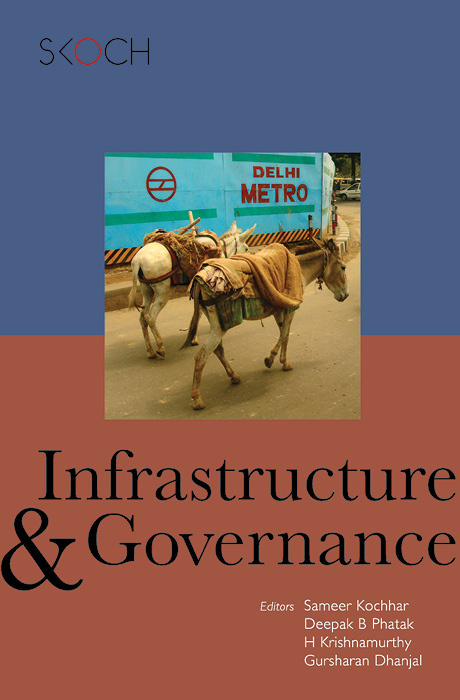
This compilation has emerged from a recent National Consultation on Infrastructure and Governance called India @ Work Summit, organised by Skoch Consultancy Services, providing critical insights into the subject of infrastructure and governance, all pointing to a common goal of inclusive growth.
 Read More
This compilation is the result of action research and field visits across India spread over last 10-years that have been punctuated with seminars and workshops providing multi-stakeholder consultations. These were conducted by Skoch Consultancy Services with recently added support from Skoch Development Foundation.