Samavesh
Financial inclusion is meaningful only when people have the knowledge and confidence to use financial services to improve their lives. Recognising this, SKOCH Development Foundation launched Samavesh in 2012 as a flagship programme to advance financial capability and digital empowerment among underserved communities. Conceived as an instrument for poverty alleviation, the programme brings together financial literacy, digital inclusion and social protection to enable individuals and families to participate fully in India's formal economy.
Samavesh is rooted in more than a decade of field research across rural India. These studies reveal that poverty is sustained not simply by a lack of income, but also by limited access to information, financial products, technology and institutional support. Drawing upon these understandings, SKOCH developed its Model of Inclusive Growth, which recognised financial inclusion, digital inclusion and social inclusion as the three pillars of sustainable and fair development. Samavesh translates this philosophy into action through community-based interventions that build financial capability at the grassroots.
The programme was formally launched in 2012 at Chakrata Block in Dehradun district of Uttarakhand. Since then, it has expanded across multiple states, including Uttarakhand, Uttar Pradesh, Gujarat, Maharashtra and Delhi, while specialised programmes for government employees have drawn participants from across India. Alongside, an Investor Awareness Programme (IAP) was also launched for people with stable income.
Three Pathways to Inclusion
Rural Financial Inclusion
For millions of first-generation account holders, opening a bank account is only the beginning of the journey. Samavesh works directly with rural communities and community-based organisations to build practical financial capability. Participants learn how to use banking services confidently, manage savings, access formal credit, make digital payments and protect themselves against financial fraud. The programme equips beneficiaries to use financial services not simply as consumers but as instruments for improving livelihoods and household resilience.
Empowering Women through Self-Help Groups
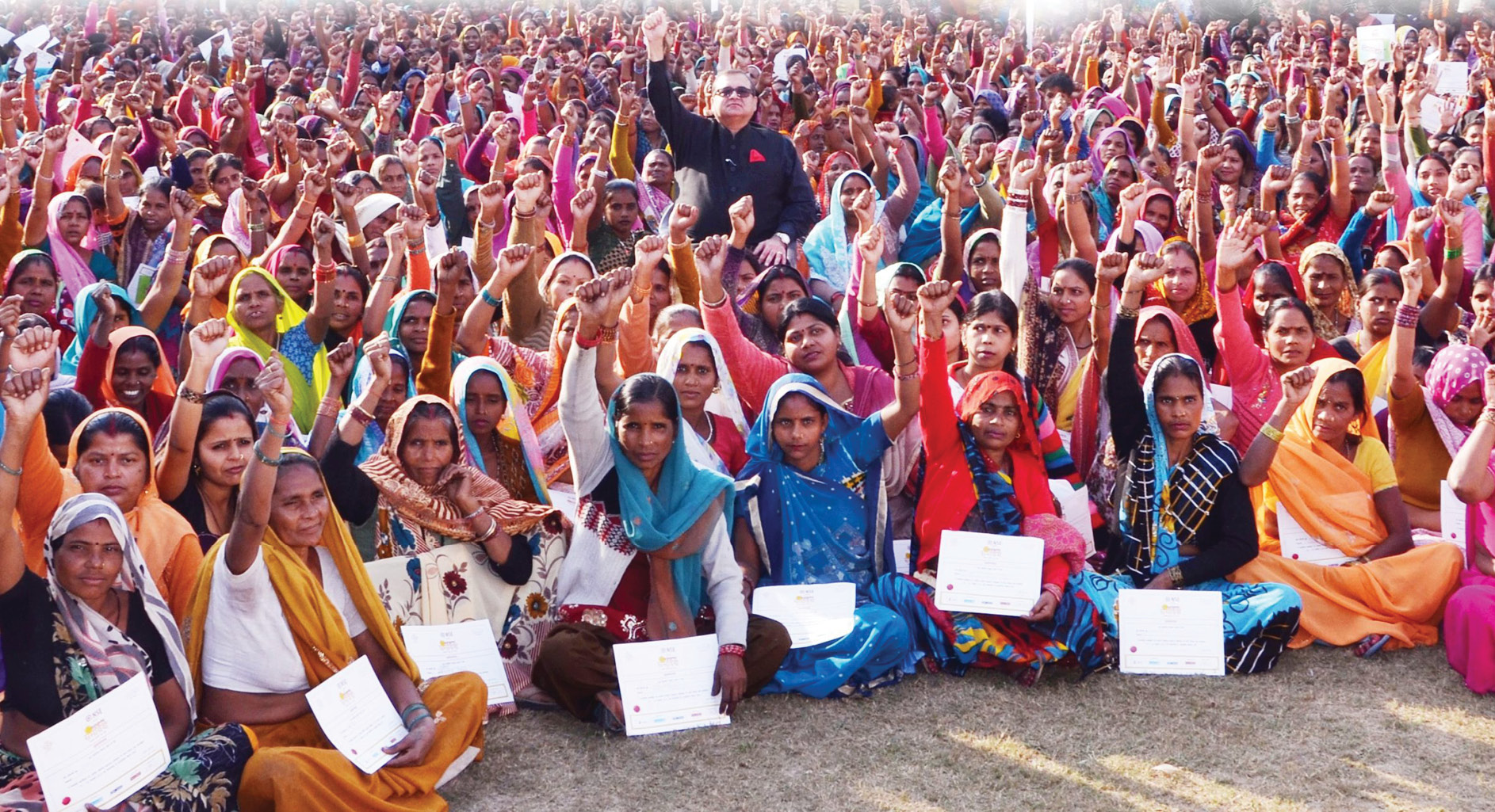
Women constitute one of the programme's most important constituencies. Working with credit-linked Self-Help Groups (SHGs), Samavesh strengthens financial decision-making, enterprise development and livelihood management. The programme introduces women to responsible borrowing, savings, insurance, digital payments and investment options while creating pathways for village-level entrepreneurship.
Investor Awareness for Salaried Employees
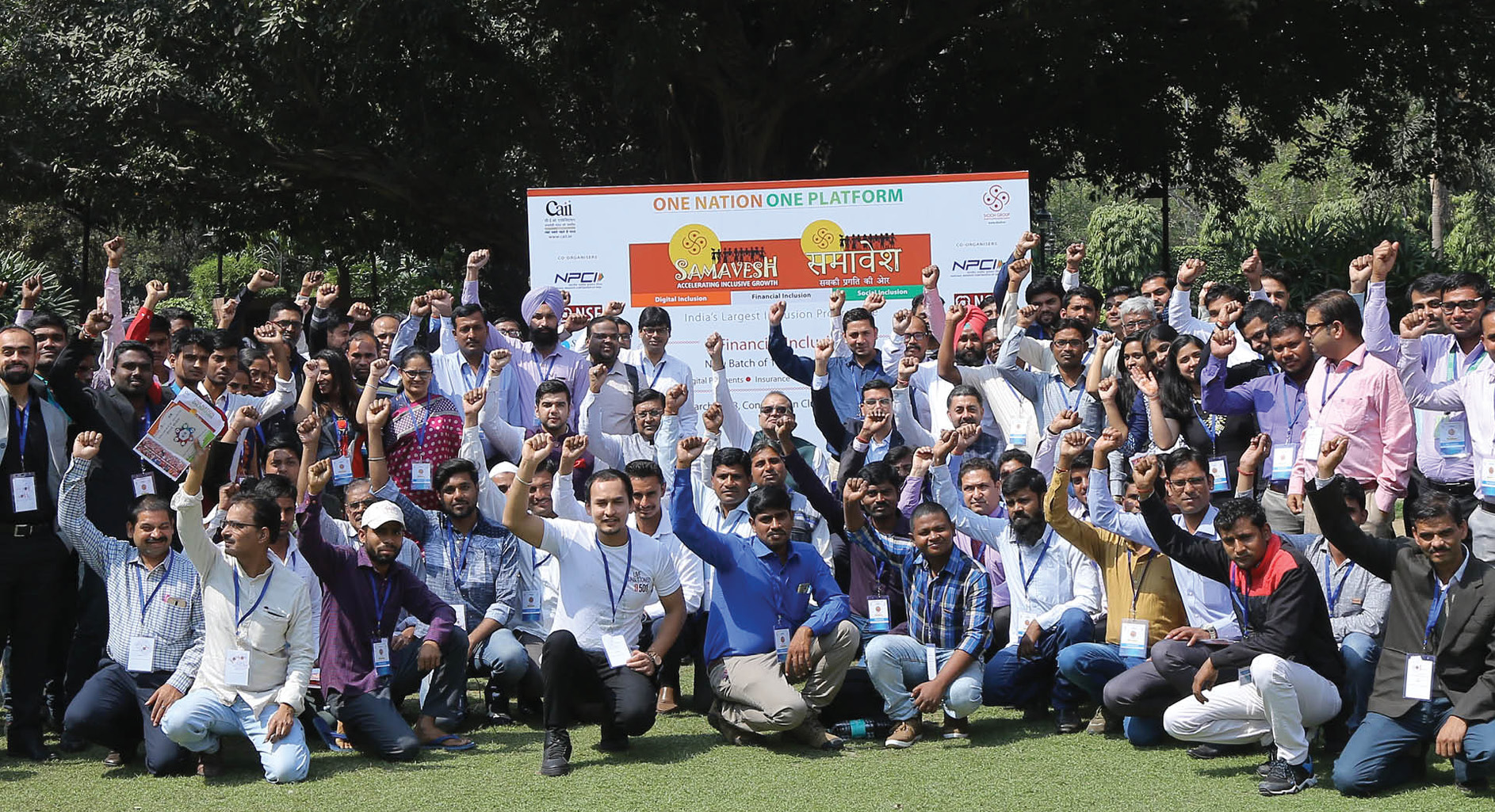
Recognising that financial literacy goes beyond basic banking, Samavesh also conducts specialised Investor Awareness Programmes for salaried government employees. These programmes provide practical guidance on personal finance, retirement planning, provident funds, insurance, taxation, mutual funds, SIPs, Exchange Traded Funds (ETFs), capital markets and long-term wealth creation. The objective is to enable informed financial decision-making throughout an individual's working life while supporting responsible investing and financial security.
Beyond Financial Literacy
Samavesh views financial literacy as a component of a broader ecosystem of inclusion.
The programme promotes digital inclusion by assisting participants to use technology confidently for financial management. Beneficiaries receive hands-on training in digital payments and electronic banking through platforms such as BHIM, UPI, IMPS, RTGS and internet banking. They also learn to access financial products online, undertake secure electronic transactions and use technology to manage their finances independently.
Equally important is social inclusion. Financial security requires protection against life's uncertainties and Samavesh introduces participants to a range of social security and insurance products covering life, health, livestock and crops. The programme also promotes provident funds, pension products, annuities and extended savings instruments that protect incomes versus inflation and strengthen household resilience.
The Foundation views investor awareness as the natural progression of financial inclusion. Once individuals gain access to formal banking and digital financial services, the next step is enabling them to deploy their savings productively and responsibly.
A Community-Led Model
Samavesh is implemented in partnership with community-based organisations, local institutions and financial sector stakeholders. Rather in place of relying solely on classroom instruction, the programme creates a cadre of financially and digitally literate community resource persons who become local change agents. This multiplier approach ensures that knowledge continues to spread long after formal training concludes.
The programme also supports the broader financial ecosystem by supporting responsible use of formal credit, promoting electronic transactions, creating livelihood opportunities for banking correspondents and strengthening both the demand and supply sides of financial inclusion.
Impact
- Launched: November 2012, Chakrata Block, Dehradun, Uttarakhand
- Geographical Reach: Programmes conducted across Uttarakhand, Uttar Pradesh, Gujarat, Maharashtra and Delhi, with participants from across India.
- Beneficiary Groups: Rural banking customers, credit-linked Self-Help Group women and salaried government employees.
- Scale: More than 1,000 financial literacy and Investor Awareness Programmes (IAP) conducted, benefiting over 35,000 participants.
- Core Focus: Financial Inclusion, Digital Inclusion and Social Inclusion.
- Key Themes: Banking, savings, credit, insurance, pensions, provident funds, digital payments, investor awareness, mutual funds, SIPs, ETFs, livelihood promotion, entrepreneurship and social security.
By combining financial literacy with digital empowerment and social protection, the programme keeps furthering SKOCH Development Foundation's mission of defeating poverty through inclusive growth.