A Foundation for Inclusive Development
SKOCH Development Foundation was established as a not-for-profit Section 8 company with a singular mission: to make development more inclusive by bringing citizens' felt needs into the policy process.
Initiated programmes across India focused on women's empowerment, Self-Help Groups (SHGs), financial literacy, livelihood generation, community institutions and capacity building.
Through Project HOPE, the Foundation has implemented interventions time and again, including helping a school in the remote Kurung Kumay District in Arunachal Pradesh set up a computer lab and setting up a mobile school for Van Gujjars, a nomadic tribe in the Terai region of Uttarakhand.
The Foundation signed an MoU with the National Institute of Rural Development (NIRD), Ministry of Rural Development, to create a Rural Technologies Bank (TeBank). Its objective was to enhance livelihood opportunities for rural communities, tribal groups, farmers, landless people and other rural citizens. The Foundation developed the working model.
Began pioneering work on financial inclusion, advocating formal credit as an instrument of sustainable livelihood generation - an idea that later evolved into the SKOCH Model of Inclusive Growth, placing credit, insurance and pensions at the center of poverty reduction and sustainable livelihoods.
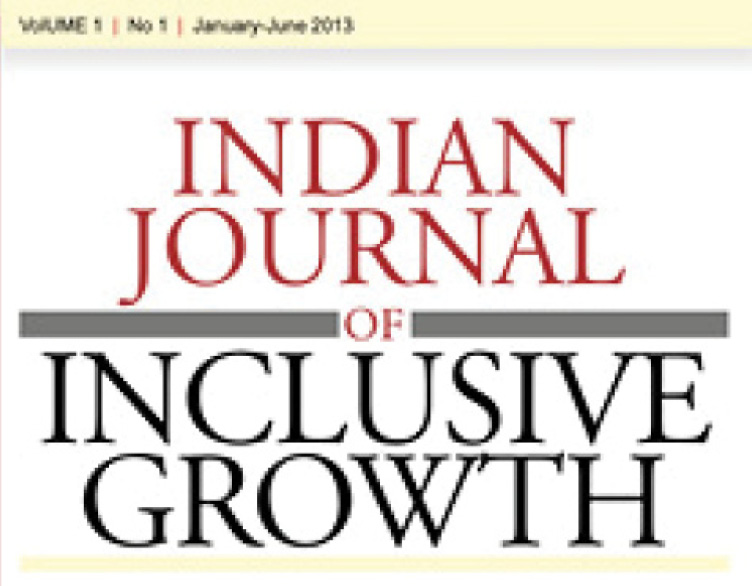
Created a platform to invite academic, research and field inputs into policy. Research papers were invited from academia, practitioners and research scholars on issues of national importance. These were refereed, peer-evaluated and published.
The publication facilitates a better understanding of contemporary issues in inclusive growth and inclusive development across social, digital and financial inclusion. The objective is to suggest improvements and present a plurality of ideas and views from academia, practitioners, economists, experts and professionals. More than 500 papers have been published.
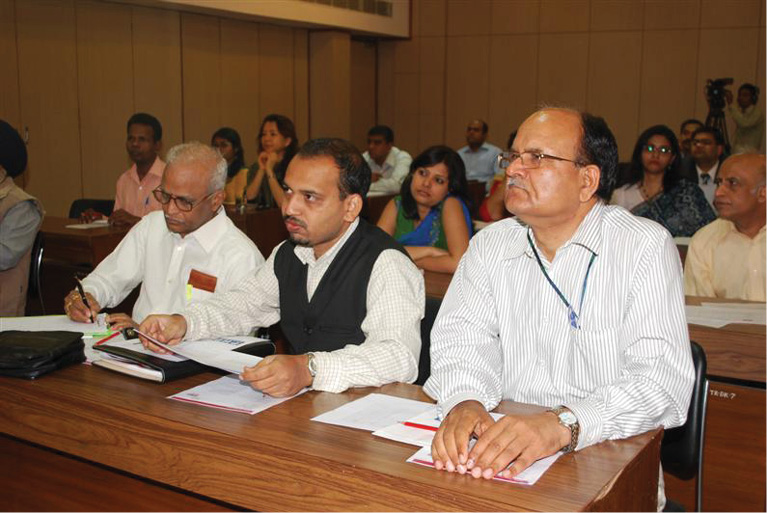
Strengthened policy engagement through conferences, consultations, workshops and capacity development initiatives that brought together governments, regulators, academia, industry and civil society.
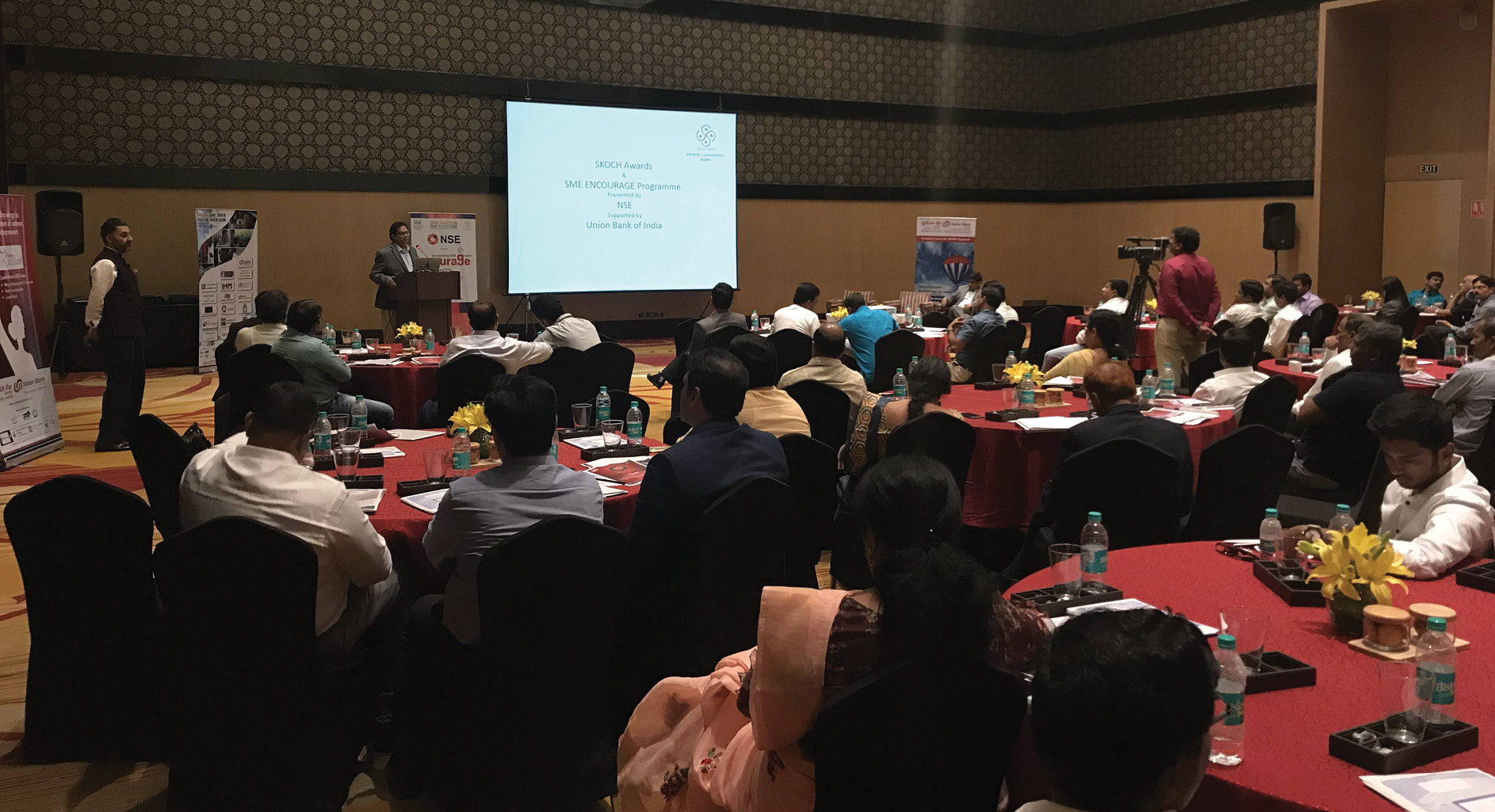
Through its Summits and Conclaves, the Foundation has engaged in policy dialogue with stakeholders from government, community-based organisations (CBOs), civil society and the private sector to promote a comprehensive, multi-pronged strategy.
Mr Sameer Kochhar is a member of the Expert Group constituted by the Ministry of Panchayati Raj, Government of India, to enable Panchayati Raj Institutions to better manage finances, e-governance and the delivery of citizen services at the doorstep.
He was also a member of the Working Group, Department of Information Technology, for the preparation of the Strategic Plan for the next five years on e-governance. He was also put on the advisory council of the project under NIC to Index Government Portals and Websites at the National Level.

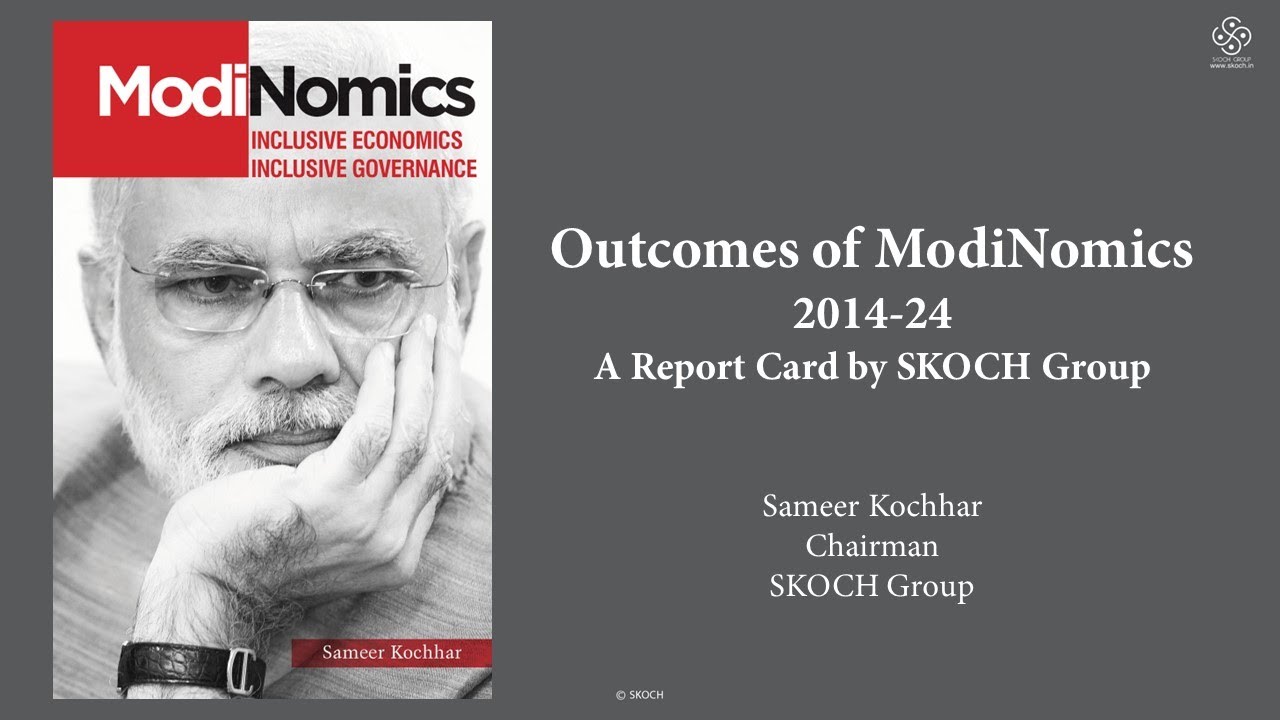
Published a series of influential books and policy studies, including ModiNomics, Defeating Poverty: Jan Dhan and Beyond; Modi’s Odyssey: Digital India Developed India; India 2030; India 2047: High Income with Equity; and, ModiNomics: A Journey of Inclusive Growth, contributing to the national discussion on governance, reforms and broad-based development.
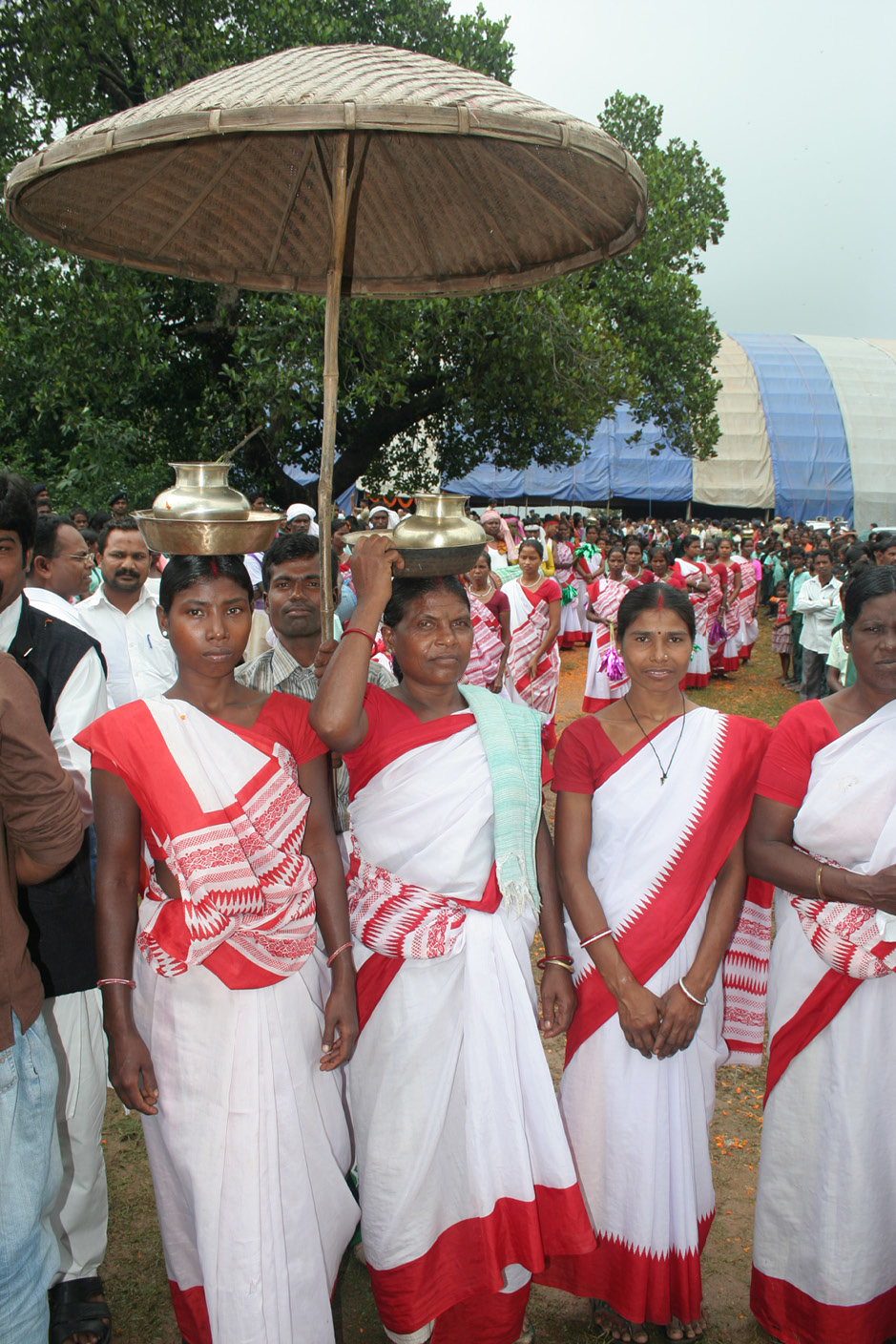
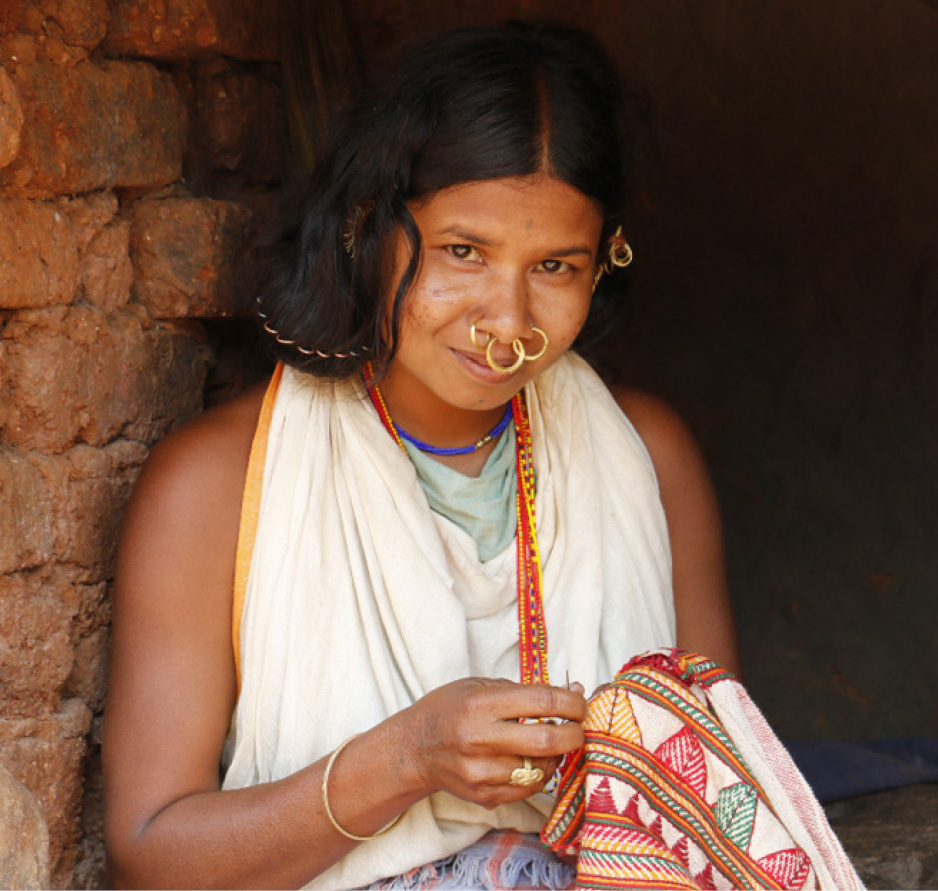
The Foundation was designated as a Centre of Excellence (CoE) under the Ministry of Tribal Affairs to create a digital knowledge repository of best practices in Tribal Affairs. It has identified, documented and published over 100 best-practice case studies. It follows a rigorous multi-stage methodology to identify best practices that also included field research. This can be used for capacity building, cross-pollination of ideas and ICE activities. It covers areas such as Women Empowerment, Livelihoods, EMRS, Skill Development, Education, Scholarships, Drinking Water and so on. It is available online at knowledge.tribal.gov.in
Released the landmark research Employment Generative Impact of ModiNomics: The Paradigm Shifts, which estimated that 51.40 crore person-years of employment were generated between 2014 and 2024 through a combination of credit-led and governance-led interventions. Based on field research, case studies and programme-level analysis, the report advanced a new evidence-based understanding of employment generation in India.
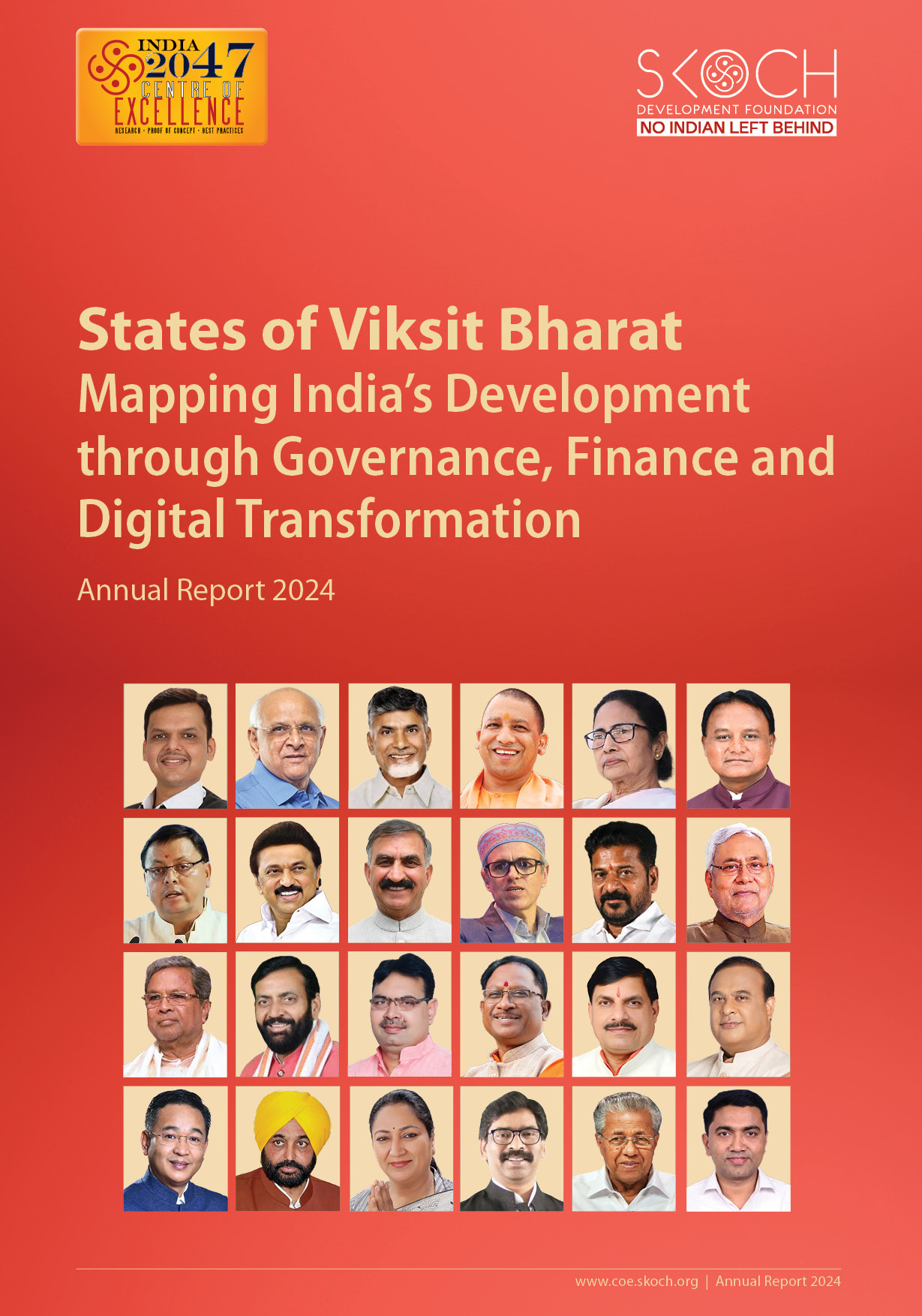
Established the India 2047 Centre of Excellence to develop research, governance frameworks, proofs-of-concept, policy papers, benchmarks and indices that support India's journey towards becoming a developed nation while providing a Global South perspective on emerging policy challenges. This expanded research into Corporate Digital Responsibility and created Responsibility Frameworks for Artificial Intelligence, ESG, Human Rights in Business, OTT, Social Media Intermediaries, and Data Governance, recognising that digital transformation must be accompanied by ethical, accountable and citizen-centric frameworks.
Convened multi-stakeholder consultations involving policymakers, regulators, industry, academia and mental health professionals to develop India's first integrated framework for Responsible Digital Gaming, balancing innovation with consumer protection, transparency and player well-being.
Initiated pioneering work on Digital Mental Wellness, studying the relationship between technology, behavioural health and public policy while developing practical plans to support safer and healthier digital ecosystems.
Today, SKOCH continues to bridge research, field engagement, technology, governance and policy. Its work spans inclusive development, governance reform, digital transformation, responsible technology, financial inclusion, mental wellness and institutional capacity building, helping form public policy and strengthen India's development journey.